

In lithium battery manufacturing, workshop access control is not only about keeping people and materials moving. It is also about controlling dust, moisture, contamination, and safety risks between different production areas. This is why some battery factories use a rain shower room or wash-down transition area before specific workshop zones.
However, lithium battery production has strict environmental requirements. Many processes, especially electrode manufacturing, cell assembly, and dry room operations, are highly sensitive to humidity. Therefore, a rain shower room should never be treated as a simple washing area placed anywhere in the factory. It must be designed as a controlled transition zone, separated from dry rooms and sensitive production areas.
This is where the right high-speed door becomes important. A poorly selected door can allow moisture, airflow, dust, or uncontrolled traffic to move into areas where stability matters.
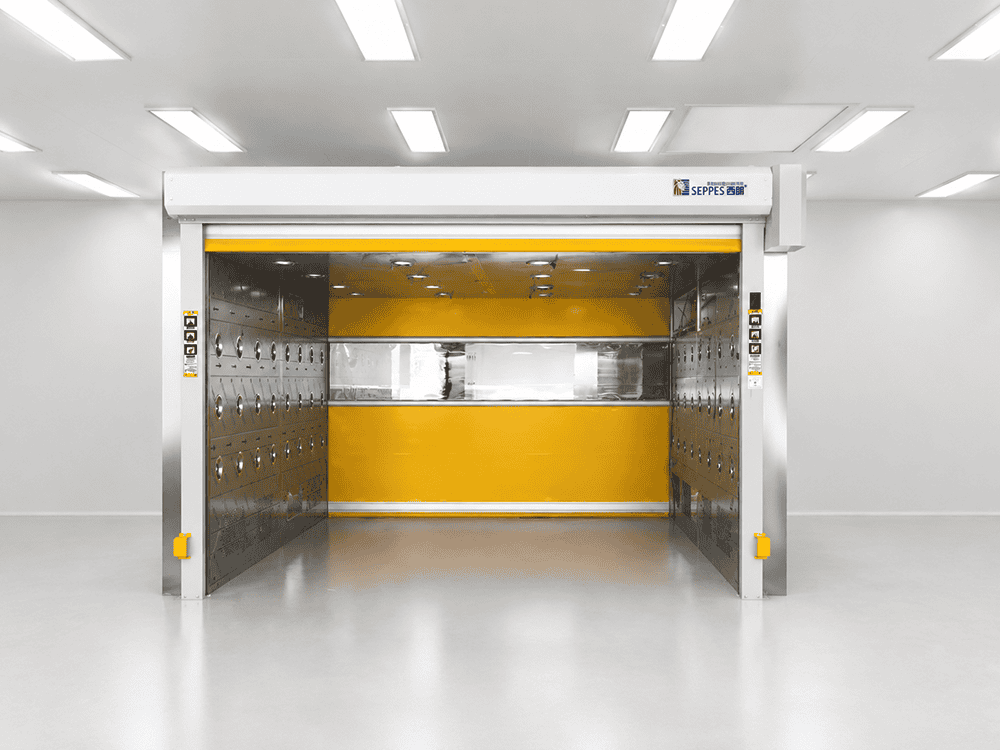
Why Rain Shower Rooms Are Used in Lithium Battery Facilities ?
A rain shower room may be used in lithium battery workshops for cleaning, decontamination, or controlled personnel and equipment transition. In some facilities like CATL , it helps remove dust or surface particles before entering a controlled area. In other cases, it may support safety procedures near material handling, maintenance, or auxiliary process zones.
The main purpose is not just washing. It is to reduce the risk that unwanted particles or residues are carried into production spaces.
Typical pain points include:
- Dust entering sensitive production areas
- Moisture moving into dry process zones
- Workers bypassing access procedures
- Doors staying open too long during shift changes
- Carts or tools blocking the transition passage
- Poor sealing between wet and dry areas
- Slow manual doors reducing workshop efficiency
For Lithium Battery Workshop Door Solution, these issues can affect product consistency, equipment maintenance, and daily safety management.
Why Door Selection Matters Around Rain Shower Rooms?
Lithium Battery Workshop Door Solution creates a challenging environment for doors. One side may be humid or exposed to water mist, while the other side may need to stay cleaner, drier, or more controlled. If the door opens slowly or does not seal well, moisture and airflow may spread beyond the intended area.
A Industrial Rapid Door for lithium battery workshop access can help reduce this risk by shortening open time and supporting controlled traffic. The door is not simply an entrance. It becomes part of the workshop’s environmental separation system.
Key Functions the Door Should Support
The right door should help with:
- Fast opening and closing to reduce air exchange
- Better separation between wet and dry zones
- Safe movement for workers, carts, or maintenance tools
- Interlock control between two doors when needed
- Corrosion-resistant or moisture-resistant materials
- Easy cleaning and maintenance
Stable operation during frequent daily cycles
In many battery workshops, the best Cleanroom Rapid Door design is not a single door. It is an access sequence: entry door, rain shower process, exit door, sensors, interlock logic, and emergency release.
How to Choose the Right High-Speed Door?
When choosing a high-speed door for a rain shower room in a lithium battery workshop, buyers should not start with only the door size. They should first understand the process risk.
1. Confirm the Area Function
Is the rain shower room used for personnel, carts, tools, or equipment? Is it connected to a dry room, clean corridor, material transfer area, or maintenance zone? The door configuration should match the actual workflow.
2. Check Moisture and Corrosion Conditions
If the door is close to water mist or cleaning procedures, the frame, curtain, hardware, and electrical components should be suitable for humid conditions. Stainless steel or corrosion-resistant structures may be needed.
3. Evaluate Sealing Requirements
For battery workshops, sealing is critical when one side must remain dry or cleaner. Buyers should check side guides, bottom edge sealing, top sealing, and how the door performs during frequent operation.
4. Consider Interlock Control
If the rain shower room acts as a buffer, two doors may need interlock logic. This prevents both doors from opening at the same time and helps maintain separation between zones.
5. Select the Right Opening Method
The door should include safety light curtains, bottom edge protection, emergency stop, and manual release. If carts or workers frequently pass through, safety devices are not optional details.
SEPPES Industrial Door Manufacturer Perspective
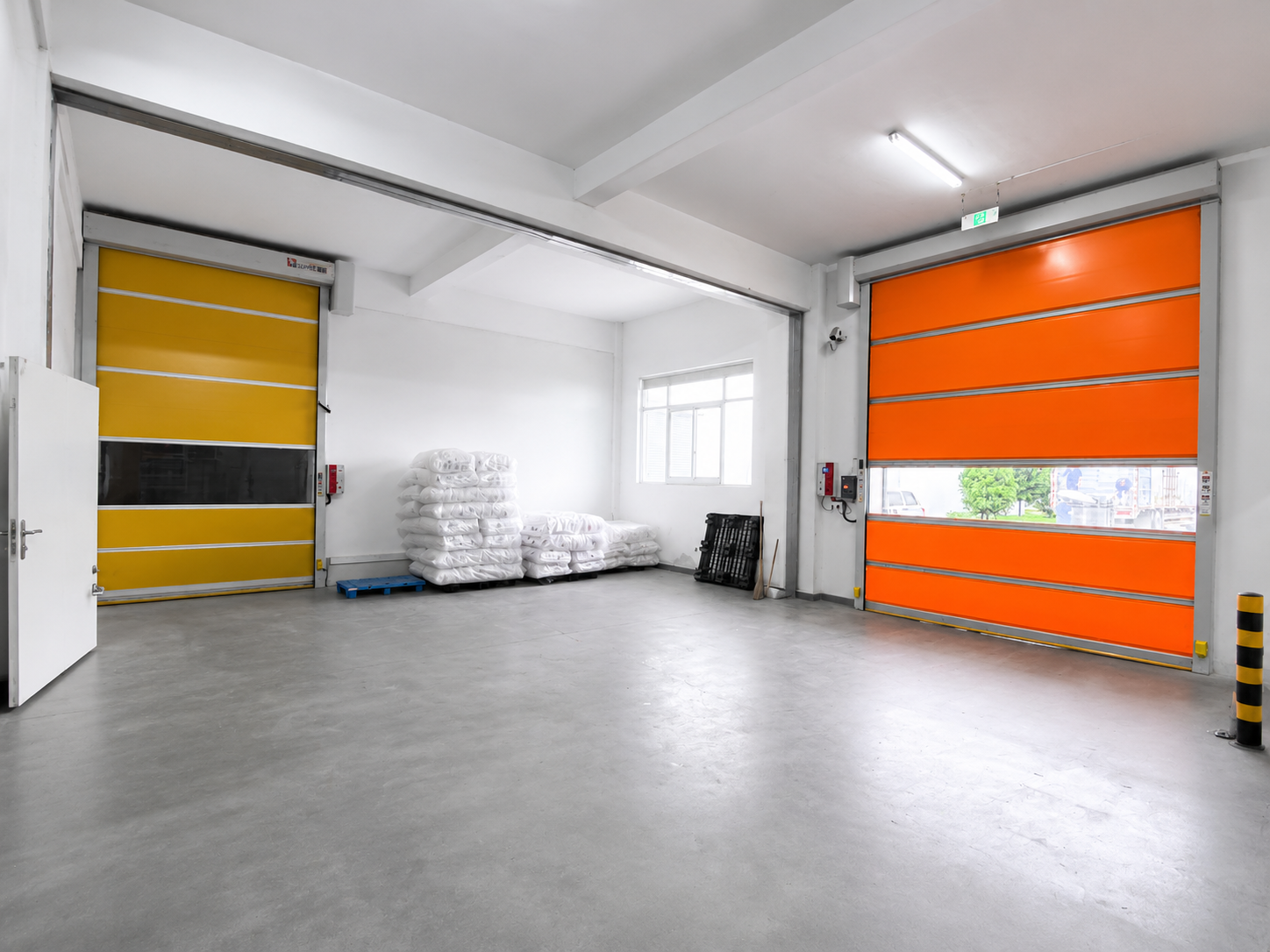
From a pvc fast rolling door manufacturer perspective, SEPPES recommends treating the rain shower room as a Cleanroom Access Control Solution, not just a washing space. The high-speed door should be selected based on humidity, cleanliness, traffic frequency, safety rules, and the relationship between both sides of the room.
For lithium battery workshops, the most common mistake is choosing a standard industrial door without considering moisture migration or process sensitivity. A better approach is to evaluate the full passage: where people enter, how long the door stays open, whether two doors need interlock, and what happens if the door fails.
A suitable SEPPES high-speed door can help lithium battery factories improve access discipline, reduce unnecessary air exchange, and support more stable workshop management.

