Redukcja Przestojów na Drogach Transportu Wewnętrznego w Warsztacie Motoryzacyjnym
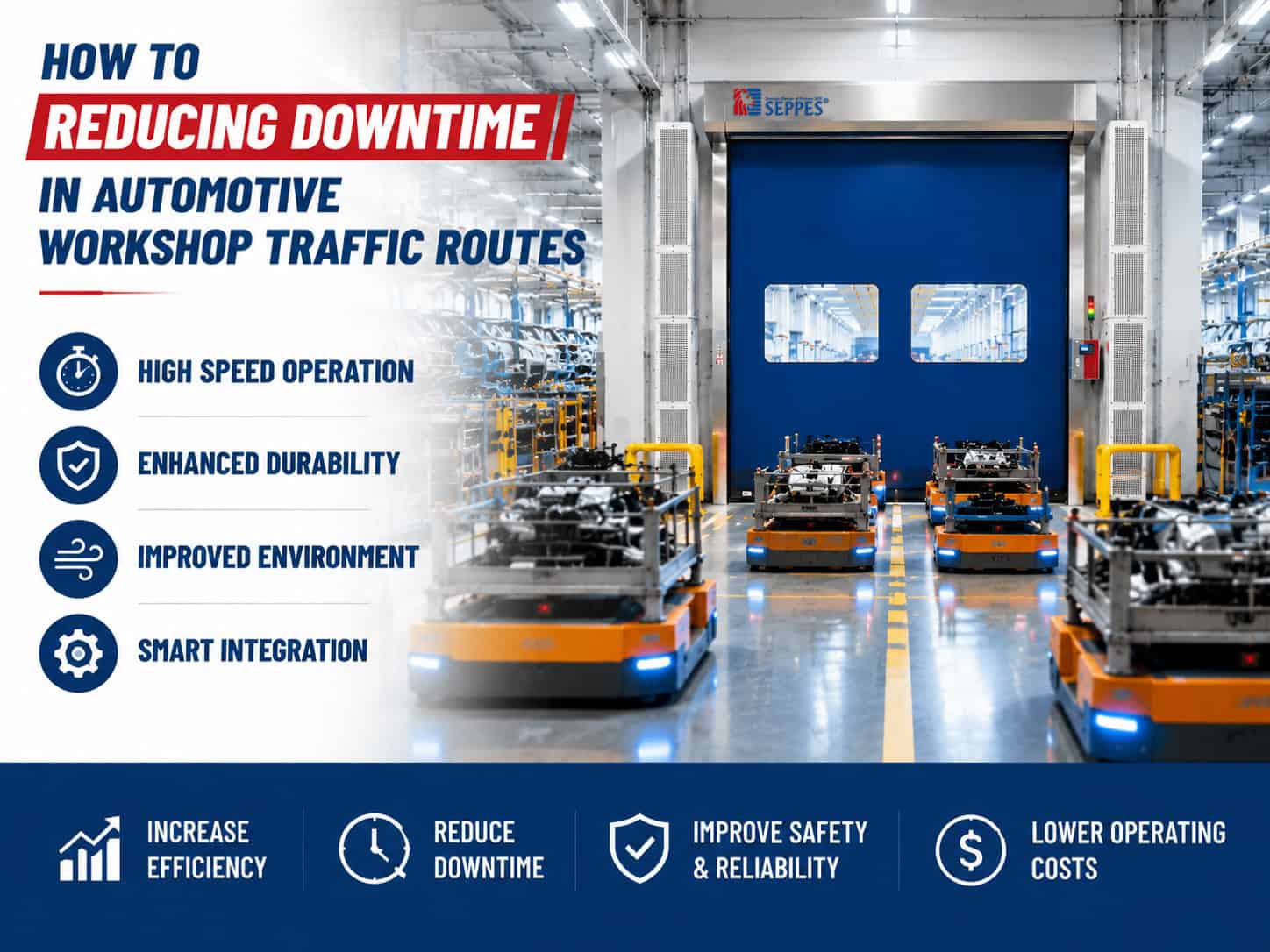
Jak redukować przestoje na drogach transportu wewnętrznego w warsztacie motoryzacyjnym? W warsztacie motoryzacyjnym zablokowane przejście w drzwiach może opóźnić przepływ części, przerwać trasy wózków widłowych lub AGV oraz zakłócić rytm produkcji. Dlatego właśnie samonaprawialne drzwi szybkobieżne (drzwi szybkobieżne z zamkiem błyskawicznym) są często rozważane na ruchliwych wewnętrznych trasach transportowych, gdzie ryzyko drobnych uderzeń jest większe niż w standardowym korytarzu magazynowym.
Dlaczego Dochodzi do Przestojów w Obszarze Drzwi w Strefach Motoryzacyjnych
Obiekty motoryzacyjne oddzielają strefy spawania, montażu, lakierowania, magazynowania części oraz logistyki. Każda strefa ma inne wymagania dotyczące kontroli zapylenia, przepływu powietrza, bezpieczeństwa i częstotliwości ruchu. Gdy drzwi między strefami są wolne, pozostawione otwarte lub uszkodzone, problem staje się kwestią zarządzania przestojami.
Wiele awarii zaczyna się od zwykłego ruchu: wózki widłowe cofają przy ograniczonej widoczności, AGV poruszają się po stałych trasach, a operatorzy pracują pod presją czasu. Oficjalne wyjaśnienie Toyoty dotyczące Systemu Produkcyjnego Toyoty podkreśla ciągły przepływ i redukcję marnotrawstwa: [Toyota Production System](https://global.toyota/en/company/vision-and-philosophy/production-system/). Konstrukcja drzwi wspiera to, umożliwiając bezpieczny ruch bez stawania się powtarzającym się punktem awarii.
Dlaczego Problem Często Pojawia się przy Drzwiach Wewnętrznych?
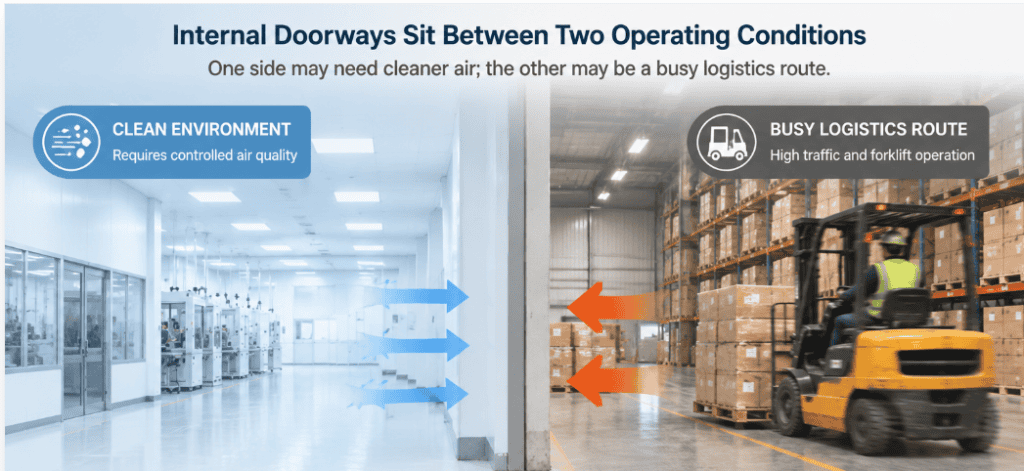
Drzwi wewnętrzne znajdują się pomiędzy dwoma warunkami operacyjnymi. Jedna strona może wymagać czystszego powietrza; druga może być ruchliwą trasą logistyczną. Tradycyjne drzwi chronią otwór, ale mogą nie odzyskiwać sprawności po uderzeniu. Jeśli kurtyna opuści prowadnicę, drzwi mogą się zatrzymać do czasu ręcznego resetu przez serwis.
Gdzie Sprawdzają się Samonaprawialne Drzwi Szybkobieżne?
Samonaprawialne drzwi szybkobieżne są zaprojektowane do otworów wewnętrznych o wysokiej częstotliwości cykli, gdzie może dojść do przypadkowego kontaktu. Gdy elastyczna kurtyna zostanie uderzona, system może wprowadzić ją z powrotem do bocznych prowadnic podczas kolejnego cyklu, redukując ręczny reset po drobnych kolizjach.
Co To Rozwiązuje, a Czego Nie Rozwiązuje?
I. Odpowiednie Zastosowania
1. Przejścia o wysokiej częstotliwości ruchu i częstych kolizjach
W przypadku przejść wewnętrznych w warsztatach o dużym natężeniu ruchu wózków widłowych lub AGV, drobne uderzenia są nieuniknione. Po uderzeniu drzwi szybkobieżne z zamkiem błyskawicznym mogą zostać szybko zresetowane ręcznie przy niemal zerowym przestoju, co znacząco skraca czas naprawy i koszty. To ich podstawowa wartość.
2. Drzwi wewnętrzne wymagające środowisk pyłoszczelnych, czystych lub z kontrolowaną temperaturą/wilgotnością
Strefy produkcyjne w przemyśle spożywczym, farmaceutycznym, elektronicznym i precyzyjnym wymagają szybkiej izolacji w celu utrzymania nadciśnienia lub czystości. Drzwi z zamkiem błyskawicznym oferują doskonałe uszczelnienie i dużą prędkość otwierania (do 1,0–2,0 m/s), skutecznie minimalizując wymianę powietrza oraz zapobiegając przedostawaniu się pyłu i owadów.
3. Strefy przejściowe wewnątrz–na zewnątrz o umiarkowanym ciśnieniu wiatru
W miejscach takich jak zewnętrzne drzwi fabryczne czy rampy załadunkowe magazynów, ciśnienie wiatru może wpływać na stabilne domykanie zwykłych drzwi szybkobieżnych. Zazębiająca się konstrukcja zamka błyskawicznego zapewnia znacznie większą odporność na wiatr niż standardowe drzwi szybkobieżne ze szczotkami (zazwyczaj wytrzymują siłę 3–5 w skali Beauforta lub wyższą). Kurtyna nie zostanie wyrwana z prowadnic nawet przy umiarkowanym wietrze.
4. Przejścia logistyczne wymagające wysokiej wydajności produkcji
W sektorach takich jak motoryzacja, sortowanie logistyczne czy mleczarstwo, każda sekunda, gdy drzwi są otwarte, wpływa na wydajność. Wysoka prędkość robocza drzwi z zamkiem błyskawicznym minimalizuje wąskie gardła logistyczne.
II. Zastosowania Nieodpowiednie lub Wymagające Ostrożności
1. Wyjścia ewakuacyjne i strefy pożarowe o klasie odporności ogniowej lub przeciwwybuchowości
Drzwi szybkobieżne z zamkiem błyskawicznym to standardowe drzwi przemysłowe i nie posiadają klasy odporności ogniowej. Nie mogą być nigdy stosowane jako zamiennik przeciwpożarowych bram rolowanych. Instalacja ich na ścianach oddzielenia przeciwpożarowego wymagających zatwierdzenia przez służby pożarnicze może stwarzać poważne zagrożenie bezpieczeństwa.
2. Zewnętrzne drzwi ochrony obwodowej lub antywłamaniowe
Kurtyna wykonana jest z elastycznej tkaniny PVC, która mimo swojej wytrzymałości może zostać przecięta nożem. Jeśli drzwi wychodzą na niestrzeżoną strefę publiczną i obowiązują rygorystyczne wymagania dotyczące ochrony fizycznej, drzwi z zamkiem błyskawicznym nie zapewnią takiej ochrony. Należy je połączyć z bramą rolowaną ochronną lub bramą przesuwną.
3. Środowiska o silnym działaniu korozyjnym
W warsztatach galwanicznych, trawiennych lub przy obróbce silnymi zasadami, żrące opary w powietrzu mogą szybko degradować kurtynę, zamek błyskawiczny i metalowe prowadnice, powodując kruchość i odkształcenia materiału. Nawet przy stalowych ramach nierdzewnych żywotność kurtyny zostanie znacząco skrócona.
4. Duże otwory nawietrzne narażone na stałe ekstremalne ciśnienie wiatru
Na przykład otwory skierowane bezpośrednio na tajfuny lub całoroczne silne wiatry w portach lub na wysokich, odsłoniętych kondygnacjach budynków. Mimo że drzwi z zamkiem błyskawicznym oferują odporność na wiatr, wciąż są miękkimi kurtynami. Przy ciśnieniu wiatru znacznie przekraczającym ich parametry projektowe, tkanina może się rozerwać lub cały system może wypaść z prowadnic. W takich przypadkach bardziej odpowiednie są sztywne drzwi szybkobieżne (drzwi turbinowe).
5. Zbyt duże otwory przekraczające limity wymiarowe
Ze względu na ciężar kurtyny i ograniczenia konstrukcyjne, pojedyncze drzwi z zamkiem błyskawicznym mają zazwyczaj maksymalną szerokość około 5–6 metrów i wysokość około 6 metrów. Dla bardzo dużych otworów przekraczających 8 metrów zarówno szerokości, jak i wysokości, takich jak hangary lotnicze czy hale dużych bloków okrętowych, wymagane są drzwi rolowane z tkaniny (harmonijkowe), drzwi przesuwne lub inne ciężkie przemysłowe rozwiązania bramowe.
6. Środowiska z intensywnym odpryskiem ostrych wiórów metalowych
W niezabezpieczonych strefach frezowania lub tłoczenia, gorące, ostre wióry metalowe mogą przepalać, przebijać lub wbijać się w kurtynę PVC, nie tylko uszkadzając korpus drzwi, ale także potencjalnie upośledzając funkcję samonaprawialnego resetu.
7. Pomieszczenia czyste o bardzo wysokiej klasie (ISO Class 4 i wyższej lub Class 10)
Mimo że drzwi z zamkiem błyskawicznym uszczelniają lepiej niż zwykłe drzwi, prowadnica zamka nie jest całkowicie pozbawiona szczelin, a proces samonaprawy może generować cząstki. W przypadku bardzo wysokich klas czystości nadal mogą być konieczne specjalnie zaprojektowane drzwi hermetyczne lub sztywne drzwi ze stali nierdzewnej o bardziej precyzyjnych systemach uszczelnienia.
Kryteria Wyboru dla Kupujących z Branży Motoryzacyjnej
Przed wyborem drzwi szybkobieżnych kupujący powinni sprawdzić wymiary otworu, dzienną liczbę cykli, typ pojazdów, kąt podjazdu, różnicę ciśnień powietrza, przestrzeń boczną oraz dostęp serwisowy.
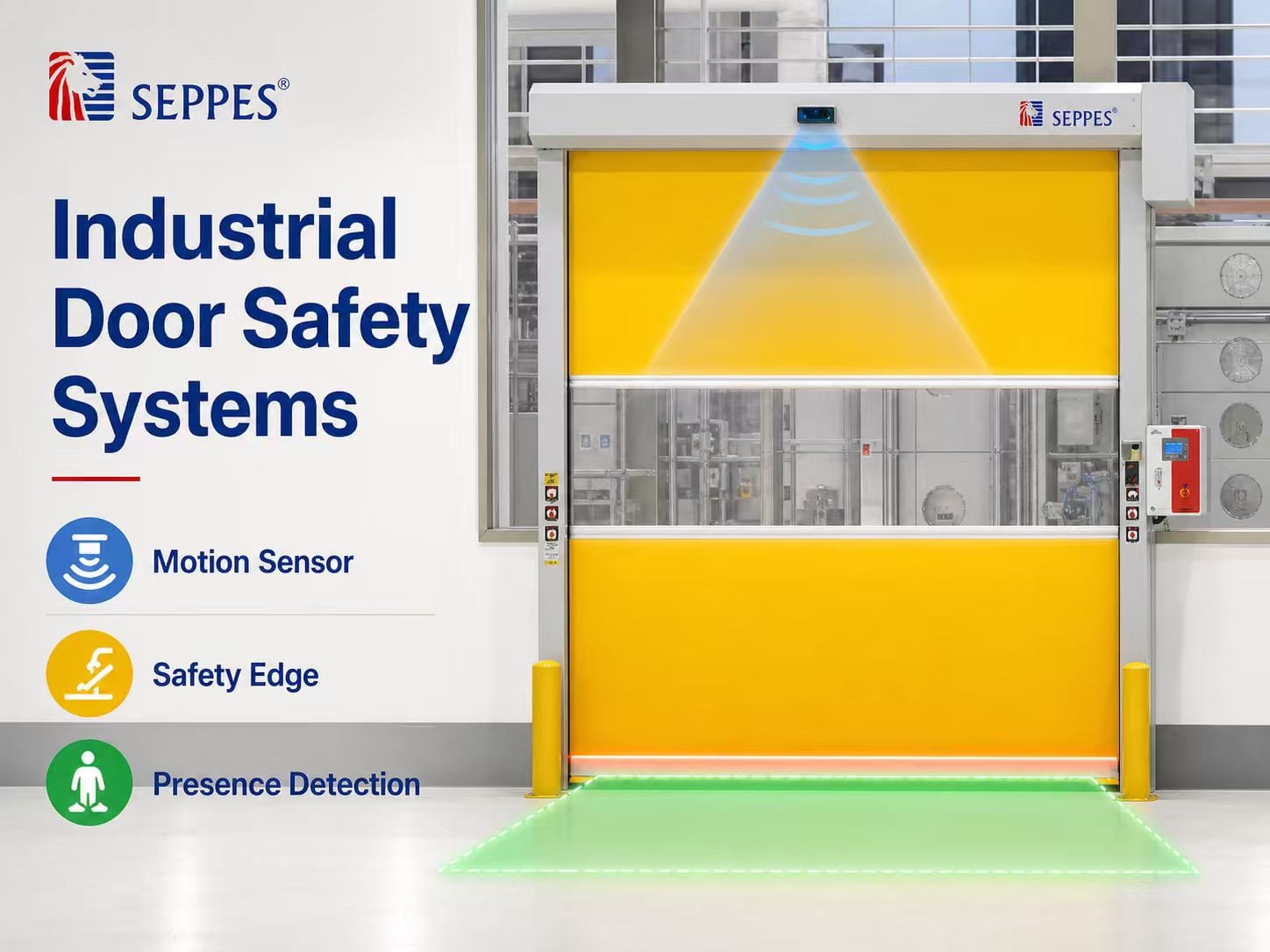
W przypadku ruchliwych tras wewnętrznych o wysokiej częstotliwości, drzwi szybkobieżne z tkaniny są praktyczne, ponieważ kurtyna jest lekka i odpowiednia do częstych cykli. Przy powtarzającym się ruchu wózków widłowych, konstrukcja samonaprawialnych prowadnic ma większe znaczenie niż wygląd. Jeśli piesi i pojazdy współdzielą trasę, drzwi powinny być zgodne ze strategią przemysłowych drzwi bezpieczeństwa zakładu.
Częstym błędem jest wybór wyłącznie na podstawie wymiaru otworu i prędkości silnika. Lepiej zadać pytanie: co się dzieje, gdy drzwi zostaną uderzone podczas intensywnej zmiany? Jeśli odpowiedzią jest długi czas resetu lub zablokowana trasa, to drzwi są elementem niezawodnościowym w systemie transportowym.
Firma SEPPES zazwyczaj analizuje trasę transportową, ryzyko kolizji, rozmieszczenie czujników, logikę sterowania i dostęp serwisowy przed rekomendacją modelu. W przypadku wielu wewnętrznych tras motoryzacyjnych, szybkobieżne drzwi transportowe z samonaprawialnym systemem kurtyny mogą zapewnić równowagę między szybkim dostępem, redukcją przestojów po drobnych uderzeniach a separacją stref.