
Pfizer Pharmaceutical Cleanroom Case
High Speed Clean Room Doors for Pfizer Pharmaceutical Facility
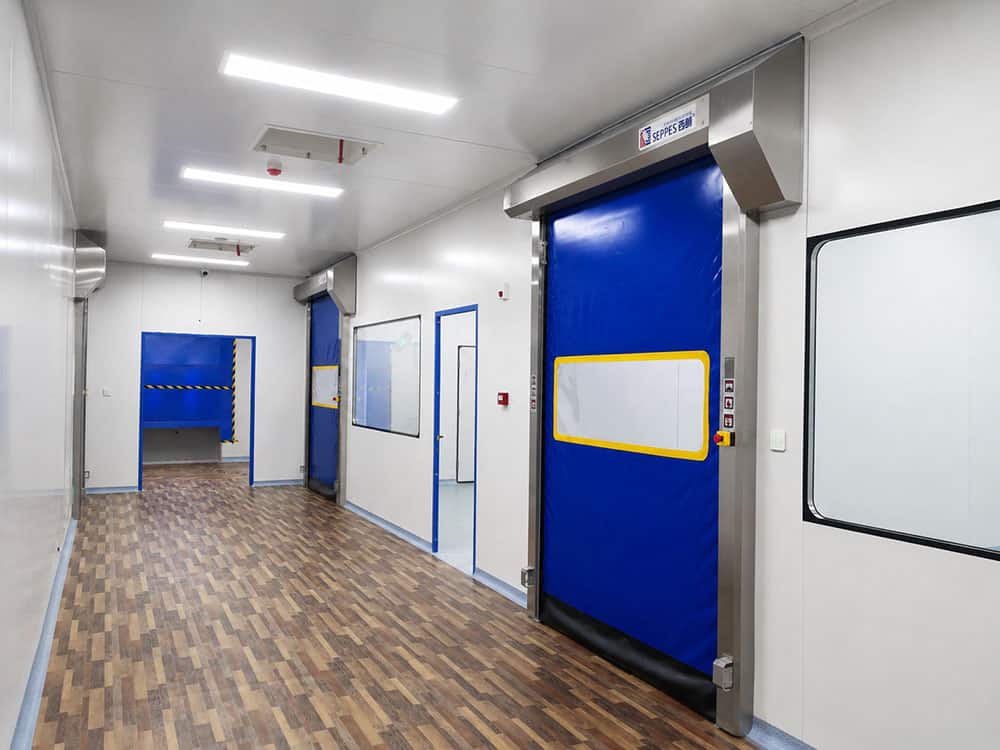
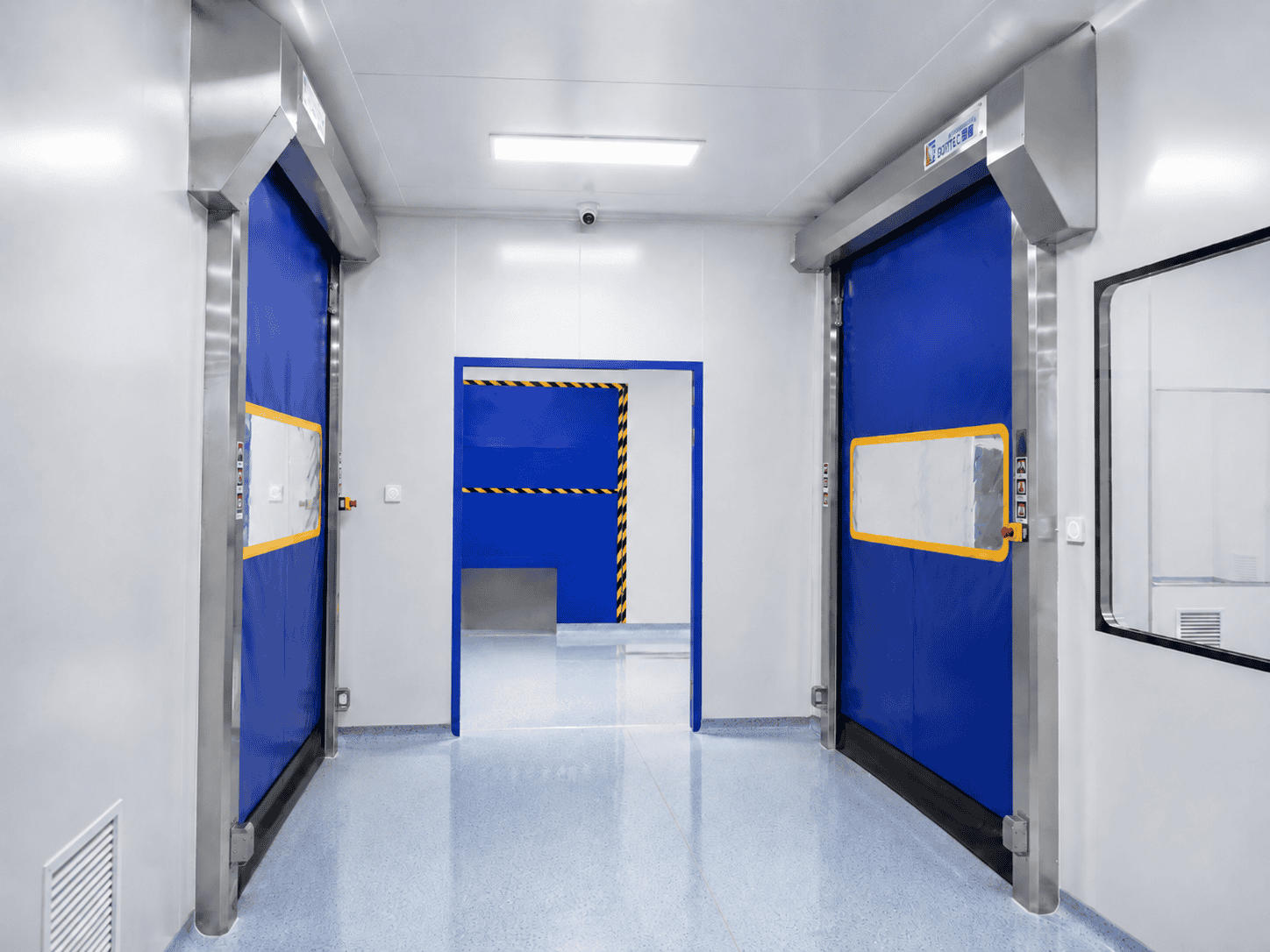
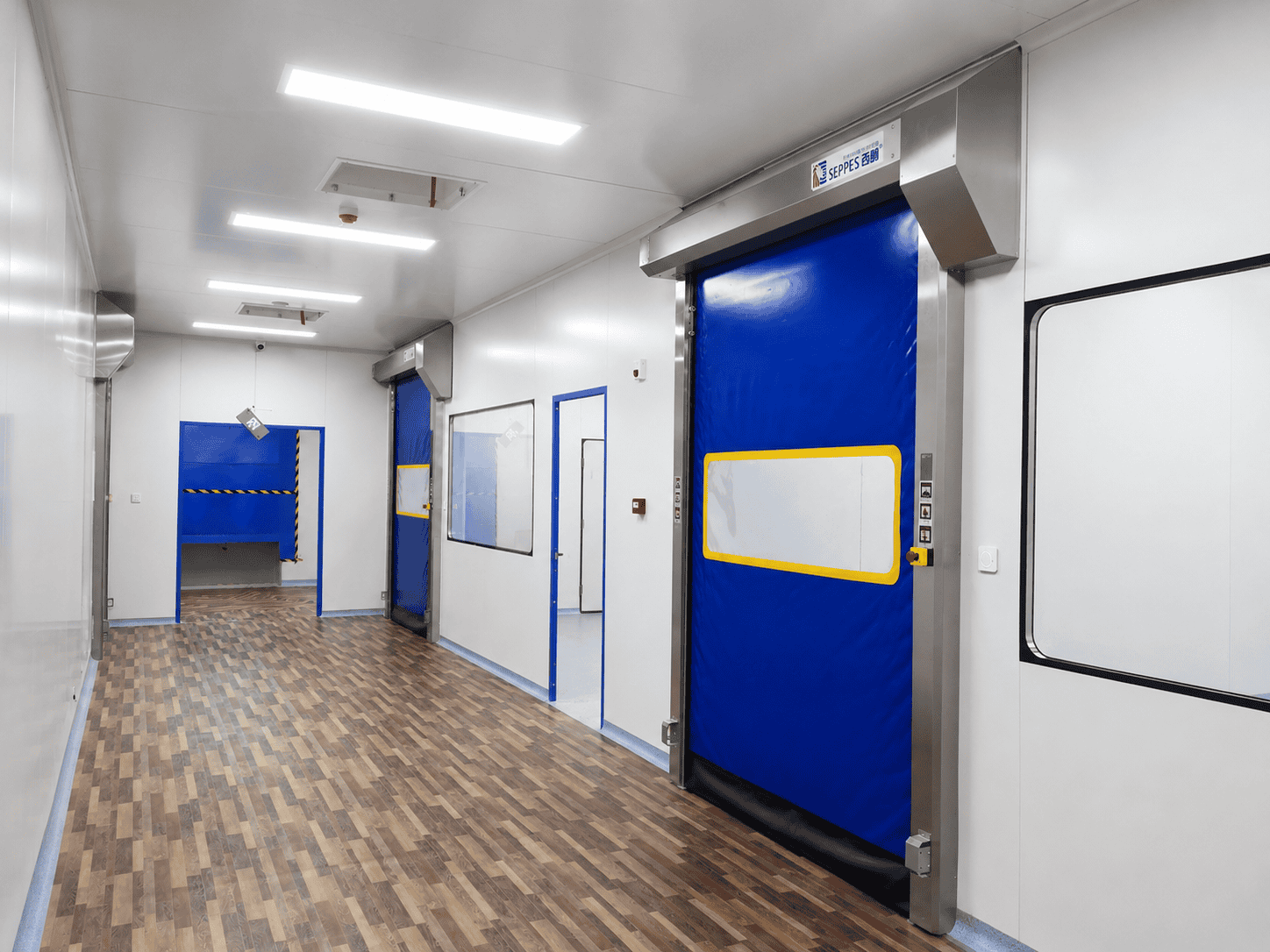
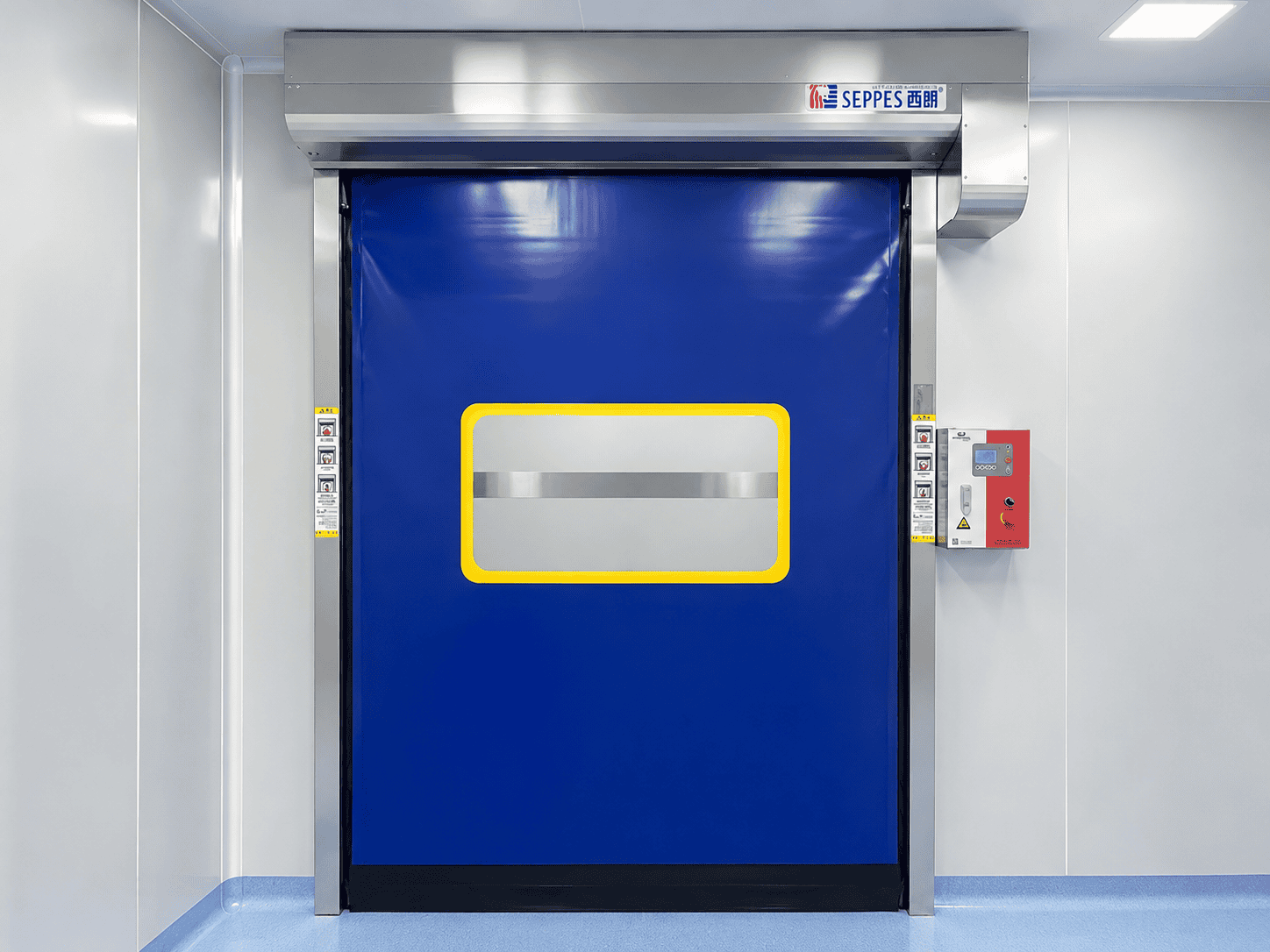
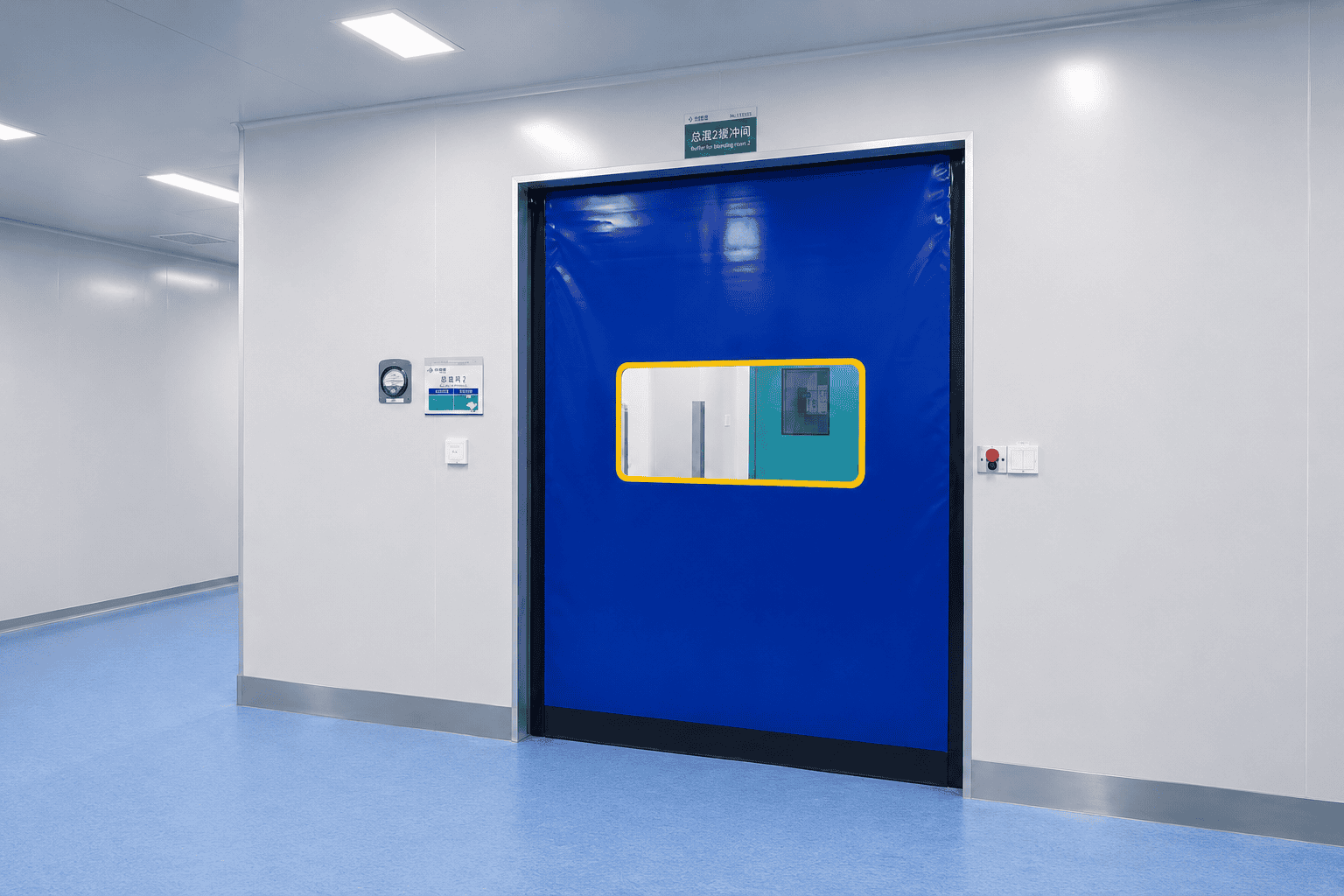
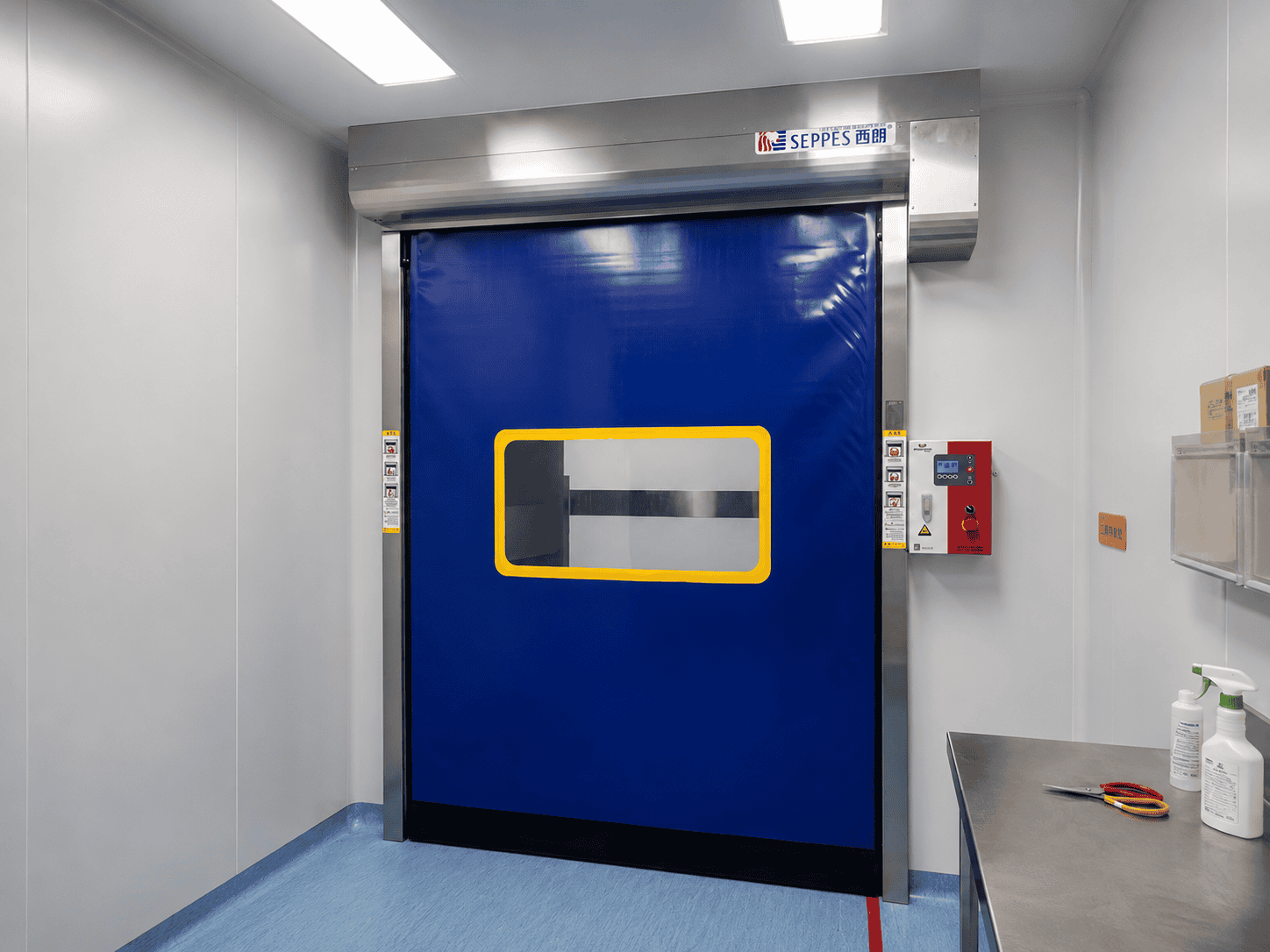
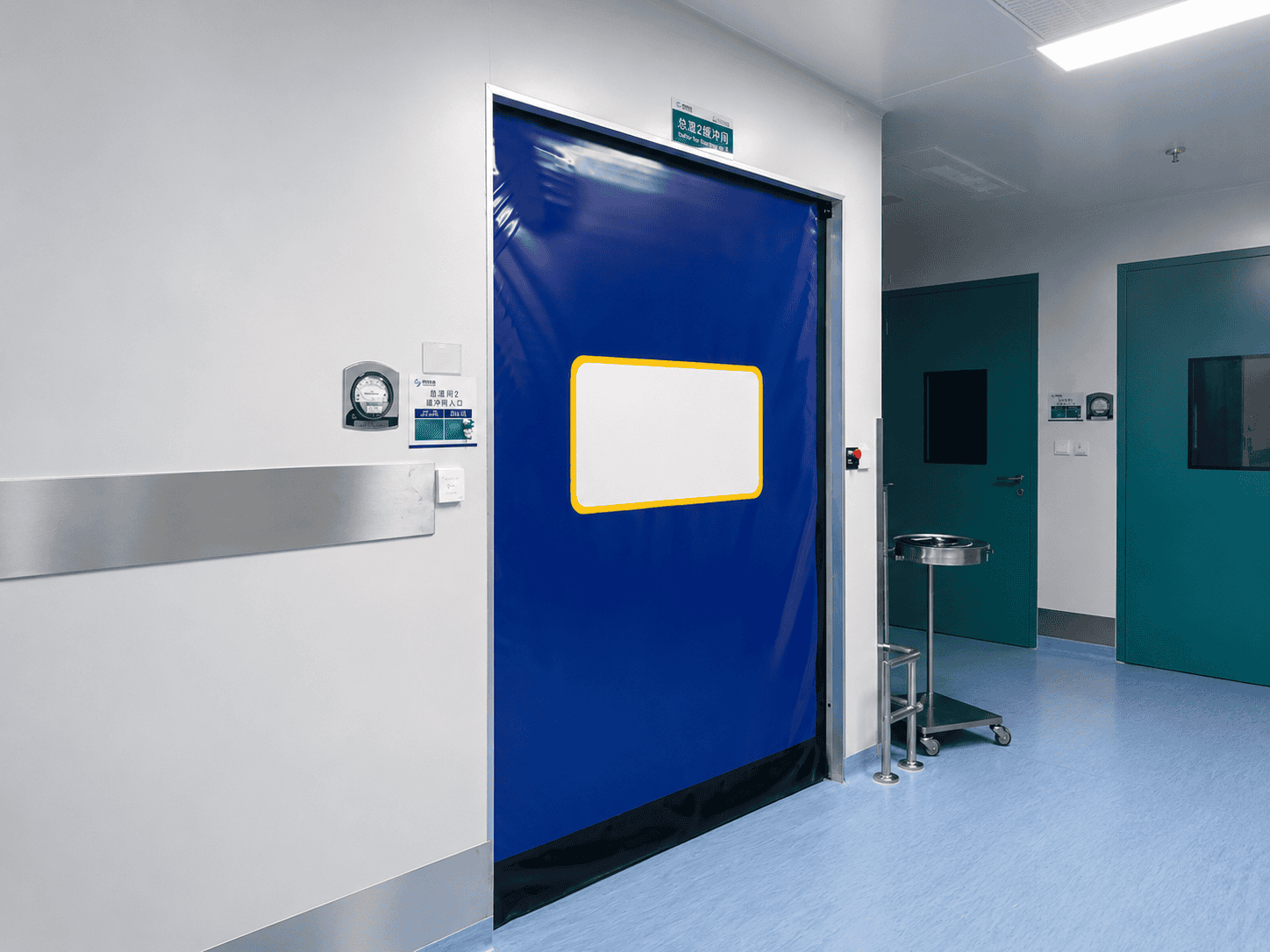
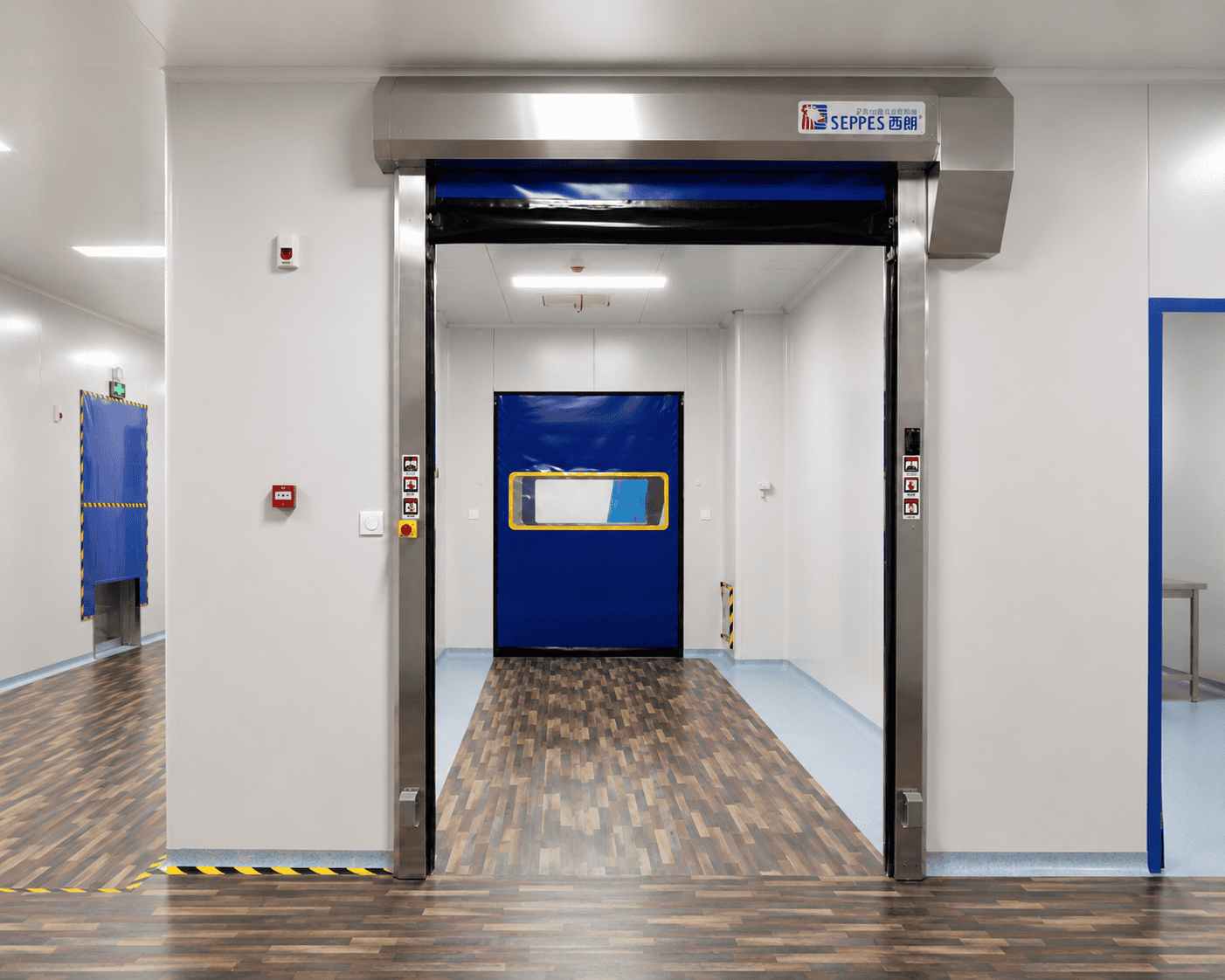
SEPPES configured high speed clean room doors for a Pfizer cleanroom operating at a 30 Pa pressure differential. The compact door system combines a 1.2 mm curtain, SUS304 stainless steel structure, steel swing-door interlocking, forced override control, touchless opening, backup power, and stainless steel closure plates around the head box.
Case Background
Compact high speed clean room doors for limited installation space
The cleanroom layout left limited space around the opening, while the doorway still had to support pressure control, hygienic detailing, personnel access, and interlocking with an adjacent steel swing door.
A conventional zipper high speed door would have occupied more space at the head box and side guides. For this Pfizer application, SEPPES used the cleanroom-dedicated version with a smaller enclosure and a more compact zipper-track profile, helping the door fit the reserved installation zone.
The reduced track profile also leaves fewer broad horizontal surfaces where dust can settle. SUS304 stainless steel was specified for the frame, control box, and electrical conduit, while stainless steel plates closed the remaining gaps around the door head to create a more finished cleanroom interface.
The European Commission’s EU GMP Annex 1 publication identifies airlocks and contamination-control measures as important parts of sterile manufacturing areas. This project page describes the installed door configuration only; cleanroom classification and regulatory compliance depend on the complete facility design, HVAC system, operating procedures, and validation.
- Designed around a cleanroom pressure differential of 30 Pa.
- Reduced the head-box and guide footprint for restricted installation space.
- Used smooth SUS304 components in exposed equipment areas.
- Added a vision window with yellow edging for visibility and visual identification.
Product Selection
Cleanroom-dedicated design vs. a conventional zipper door
Both products use a flexible curtain and sealed guide concept, but the high speed clean room doors were selected because the Pfizer opening required a smaller installation footprint, reduced dust ledges, pressure-control detailing, and cleanroom-specific access logic.
30 Pa Project Condition
The cleanroom-dedicated configuration was selected for the reported 30 Pa pressure differential. Final performance remains dependent on the complete opening, seals, HVAC balance, and commissioning.
Compact Cleanable Profile
A smaller head box and zipper guide fit the available opening zone and reduce the size of surfaces where dust may accumulate.
Cleanroom Integration
Stainless steel components, touchless activation, door interlocking, backup power, and perimeter closure details were combined for this specific pharmaceutical site.
| Selection Point | SEPPES Cleanroom High Speed Door | Conventional Zipper Door | Why It Mattered Here |
|---|---|---|---|
| Head and Guide Space | Compact head box and smaller guide profile | Larger standard head and track arrangement | The cleanroom had limited reserved installation space |
| Dust-Ledge Reduction | Reduced exposed track profile | Broader conventional guide geometry | Smaller surfaces help simplify routine cleaning access |
| Pressure Condition | Project configured for 30 Pa differential pressure | Standard model requires separate engineering review | The door formed part of a pressure-controlled cleanroom boundary |
| Access Control | Steel-door interlock, forced override, and touchless switch | Basic opening control unless options are added | The airlock needed controlled, low-contact personnel movement |
| Exposed Components | SUS304 frame, control box, and conduit | Standard painted construction unless upgraded | The customer specified stainless steel for the cleanroom installation |
Control and Installation Details
Interlock, forced override, touchless opening, and backup power
The door was engineered as part of an airlock sequence rather than as a standalone opening. Its control logic, emergency override, electrical routing, and stainless steel finishing were coordinated with the adjacent steel swing door and the site's cleanroom requirements.
Normal interlock sequence
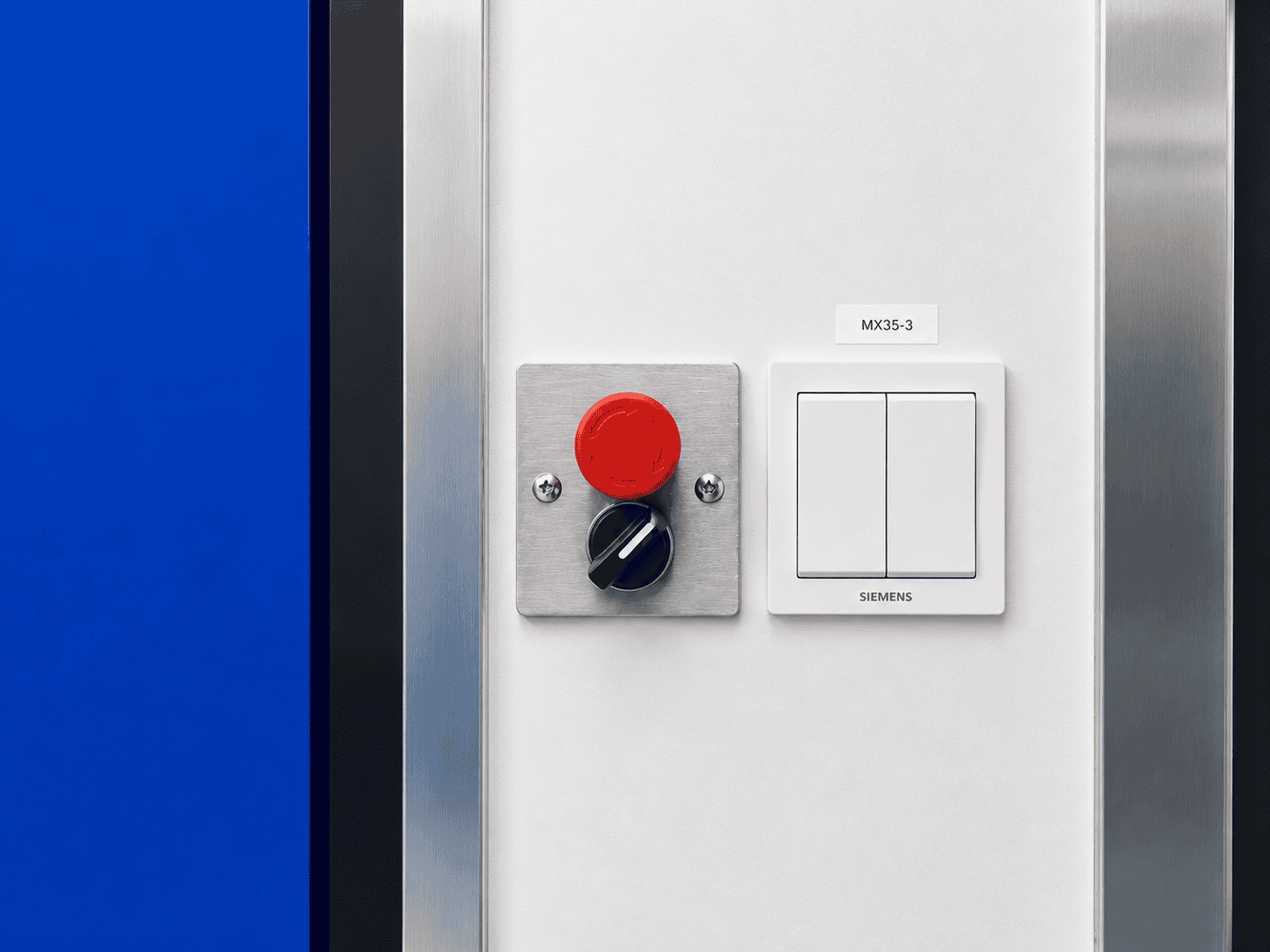
The SEPPES cleanroom door and the site's steel swing door are interlocked. When one door remains open, the other door is prevented from opening, supporting the intended airlock sequence.
Touchless personnel opening
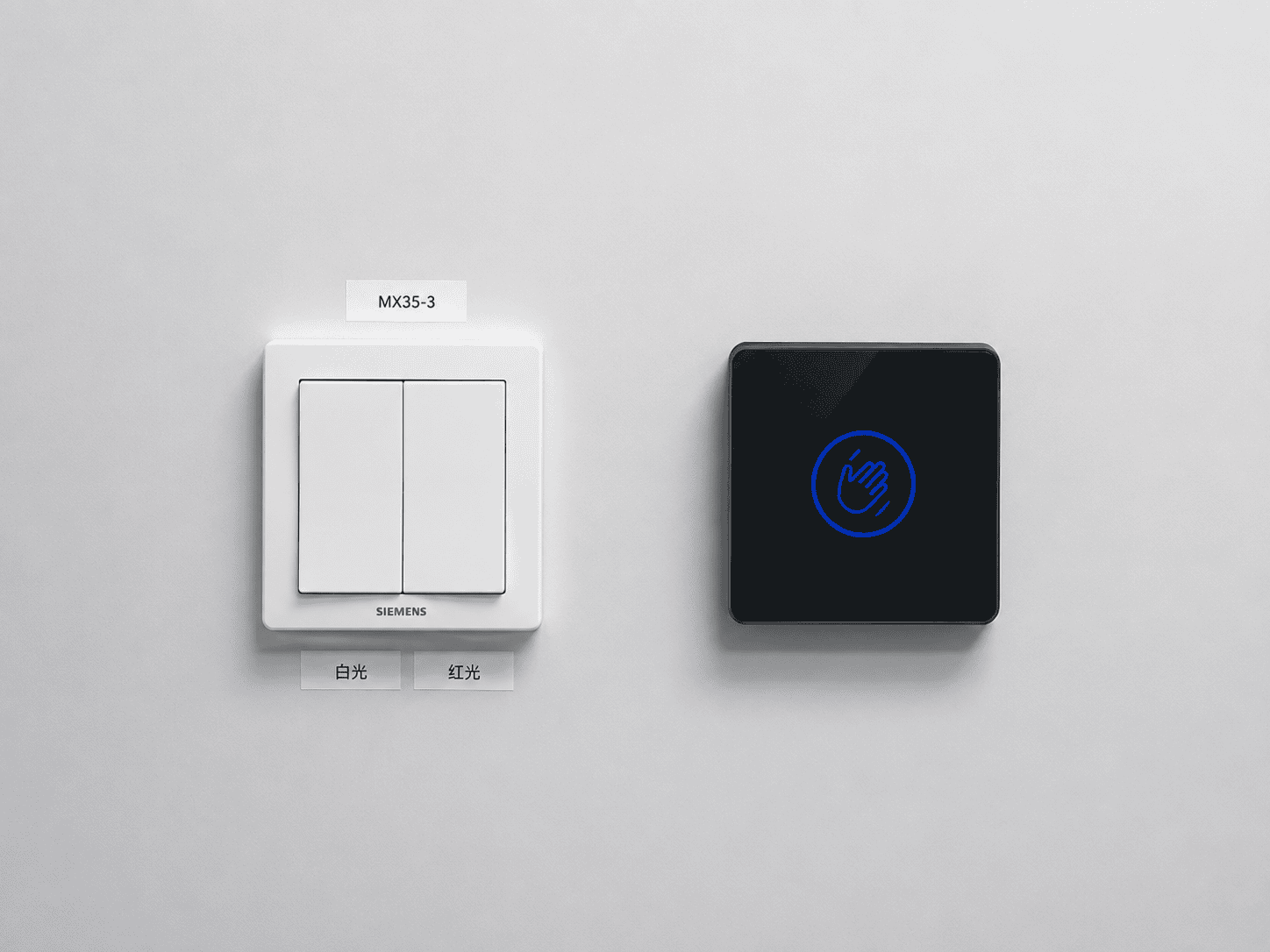
A non-contact switch allows personnel to request opening without touching a button surface, reducing an avoidable contact point in the higher-cleanliness area.
Forced override control
A dedicated forced-open rotary switch releases the two-door interlock when an authorized safety procedure requires immediate access. The final authorization, alarm response, and reset sequence must follow the site's approved control philosophy.
Power-interruption readiness
Backup power was added so the high speed clean room doors can follow the defined site response during a power interruption. Available operation time and the required safe position should be confirmed during commissioning.
| Installation Item | Project Configuration | Site Purpose |
|---|---|---|
| Door Curtain | 1.2 mm PVC curtain with vision window and yellow edging | Provides a flexible sealed barrier with visibility through the opening |
| Stainless Steel Components | SUS304 frame, SUS304 control box, and SUS304 electrical conduit | Matches the specified cleanroom equipment finish |
| Head-Box Closure | Remaining gaps closed with stainless steel sheet | Creates a more complete perimeter finish around the installed door |
| Wiring Access | Reserved track wiring hole at 1400 mm above finished floor | Coordinates field wiring entry with the cleanroom installation plan |
| Conduit Allowance | 3 m of stainless steel conduit supplied per door | Supports the specified exposed cable routing at each opening |
Connect to Related Pages
Similar Pharmaceutical Cleanroom Door Solutions
Use this case when selecting high speed clean room doors for pressure-controlled pharmaceutical spaces, compact airlocks, touchless personnel access, or interlocked cleanroom passages.
Need a compact door for a pressure-controlled cleanroom?
Share the pressure cascade, airlock sequence, opening dimensions, clearance, and validation requirements with SEPPES.
FAQ
Questions about high speed clean room doors
How is a cleanroom high speed door different from a conventional zipper door?
The cleanroom-dedicated version uses a smaller head box and a more compact guide profile for restricted installation zones. In this case, the reduced profile also minimized broad surfaces where dust could settle and supported stainless steel finishing around the opening.
Does the door alone maintain the 30 Pa pressure differential?
No. The door forms part of the pressure boundary and was configured for the reported 30 Pa condition, but actual room pressure depends on HVAC balance, leakage paths, opening frequency, seals, the adjacent door sequence, and commissioning of the complete cleanroom.
How does the interlock with the steel swing door work?
During normal operation, one door must close before the other can open. This helps preserve the intended airlock sequence. The exact signals, delays, alarms, and failure response should be documented in the final control logic.
What is the purpose of the forced-open rotary switch?
It provides an authorized way to release the two-door interlock when the site's safety procedure requires access. It should not be treated as an uncontrolled everyday opening command, and its use should follow the customer's approved emergency and reset procedure.
Why use a non-contact switch in a pharmaceutical cleanroom?
A touchless switch removes one routine hand-contact point from the access sequence. It supports lower-contact movement, while cleaning procedures, gowning, airflow, pressure control, and personnel behavior remain part of the wider contamination-control strategy.
Planning high speed clean room doors for a pharmaceutical facility?
Share the opening size, differential pressure, cleanliness level, wall finish, available headroom, airlock logic, access method, backup-power requirement, and electrical routing. SEPPES can prepare a cleanroom-specific door configuration for engineering review.