






Industrial Doors for Chemical Plants
SEPPES industrial doors for chemical plants support fast material transfer, controlled production zones and warehouse access. Choose each door around traffic, chemical exposure, sealing and site classification.
Chemical Plant Door Challenges SEPPES Solved
Frequent Material Transfers
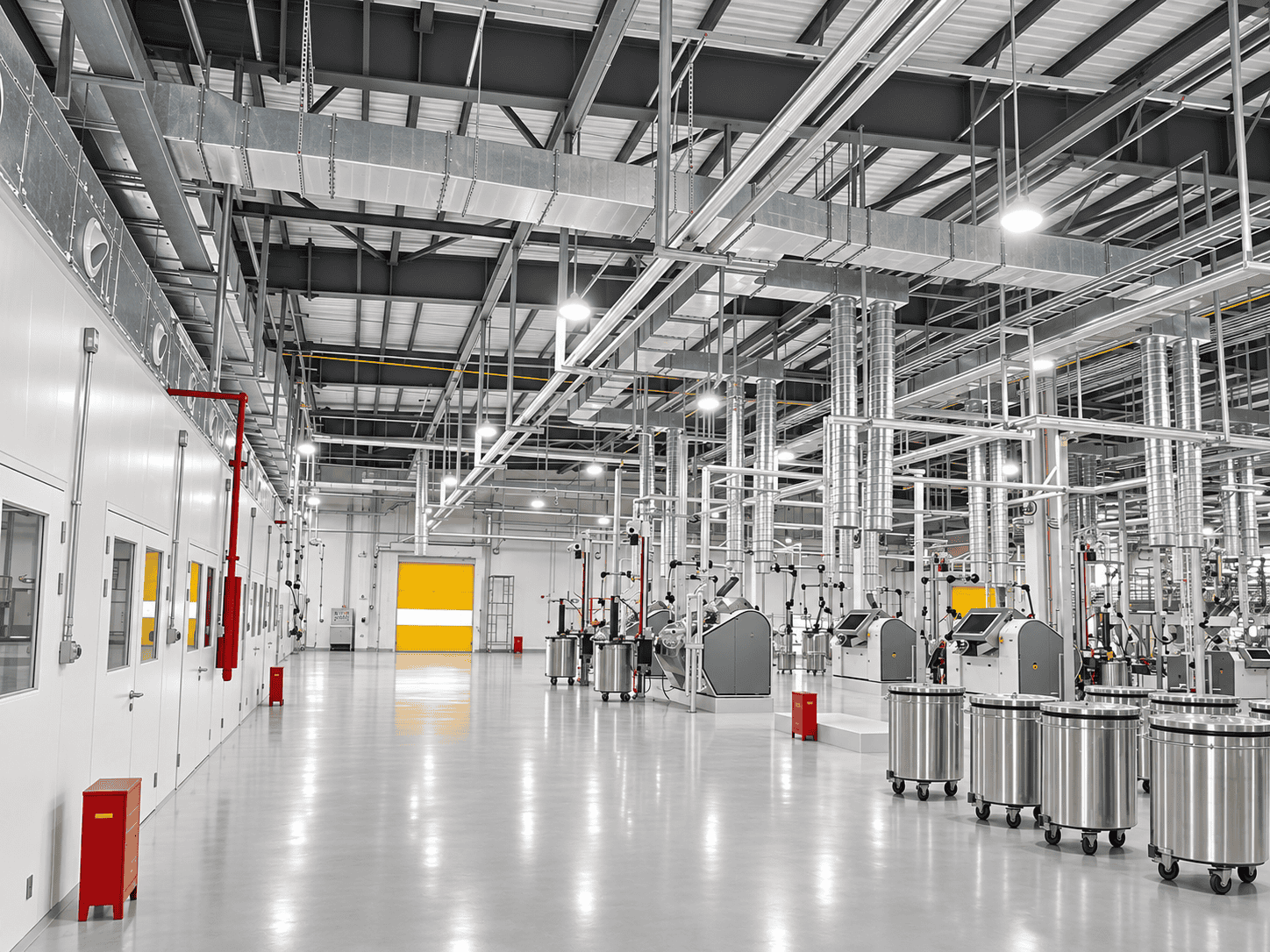
At chemical processing plants, pallets, carts and forklifts move between receiving, batching, packaging and storage. High speed doors can reduce waiting and shorten the time the opening stays exposed. Set the opening trigger and closing delay around how traffic approaches the door.
Chemical Exposure and Zone Separation
At a chemical processing facility, humidity, cleaning agents and airborne residues can affect tracks, fasteners and seals. Controlled rooms may also need a defined air leakage target. Confirm the exposure and sealing requirements at each opening.
chemical resistant industrial doors
Задача
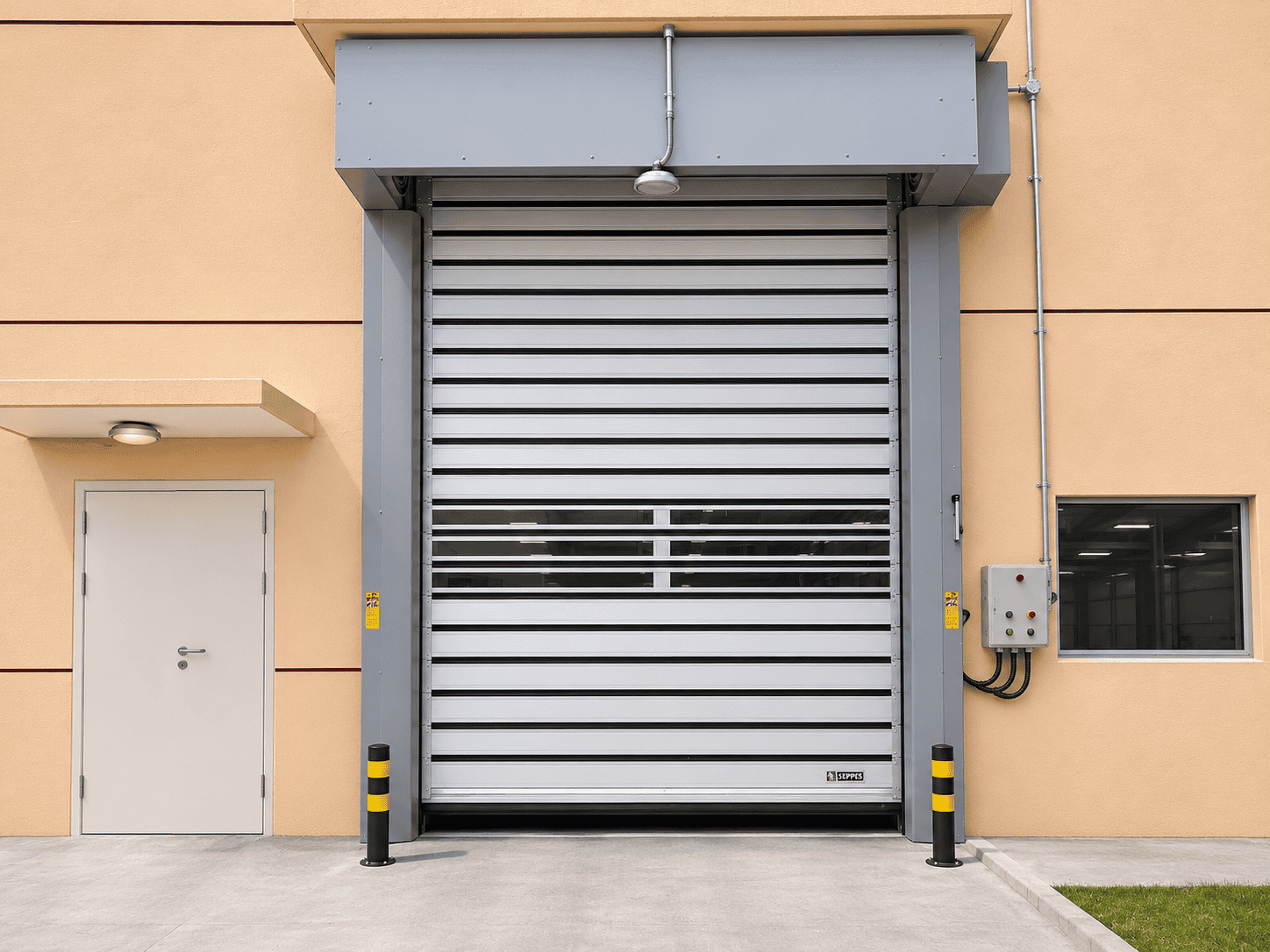
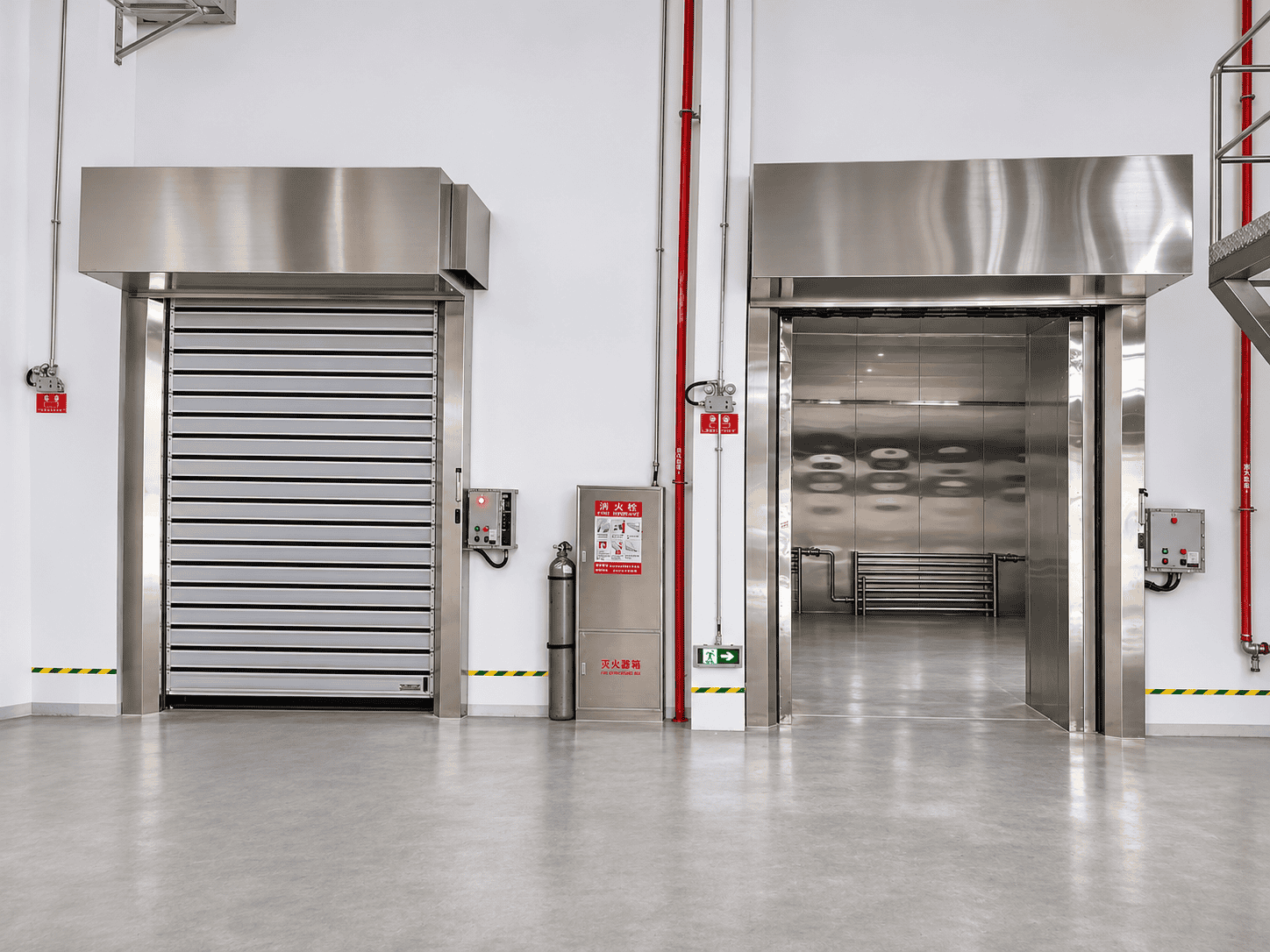
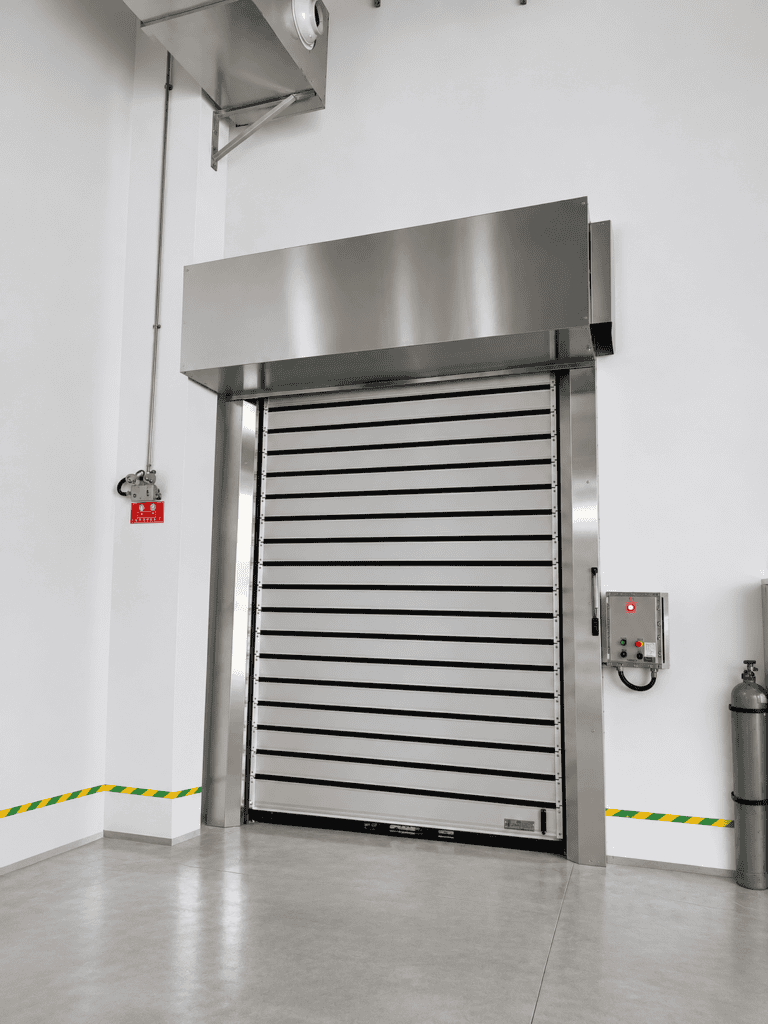
As part of an existing aerospace chemical plant renovation, the customer required four explosion-proof high speed doors for its drying rooms. The doors needed to provide fast operation, reliable sealing, rigid door panels and communication with the factory control system.
Решение SEPPES
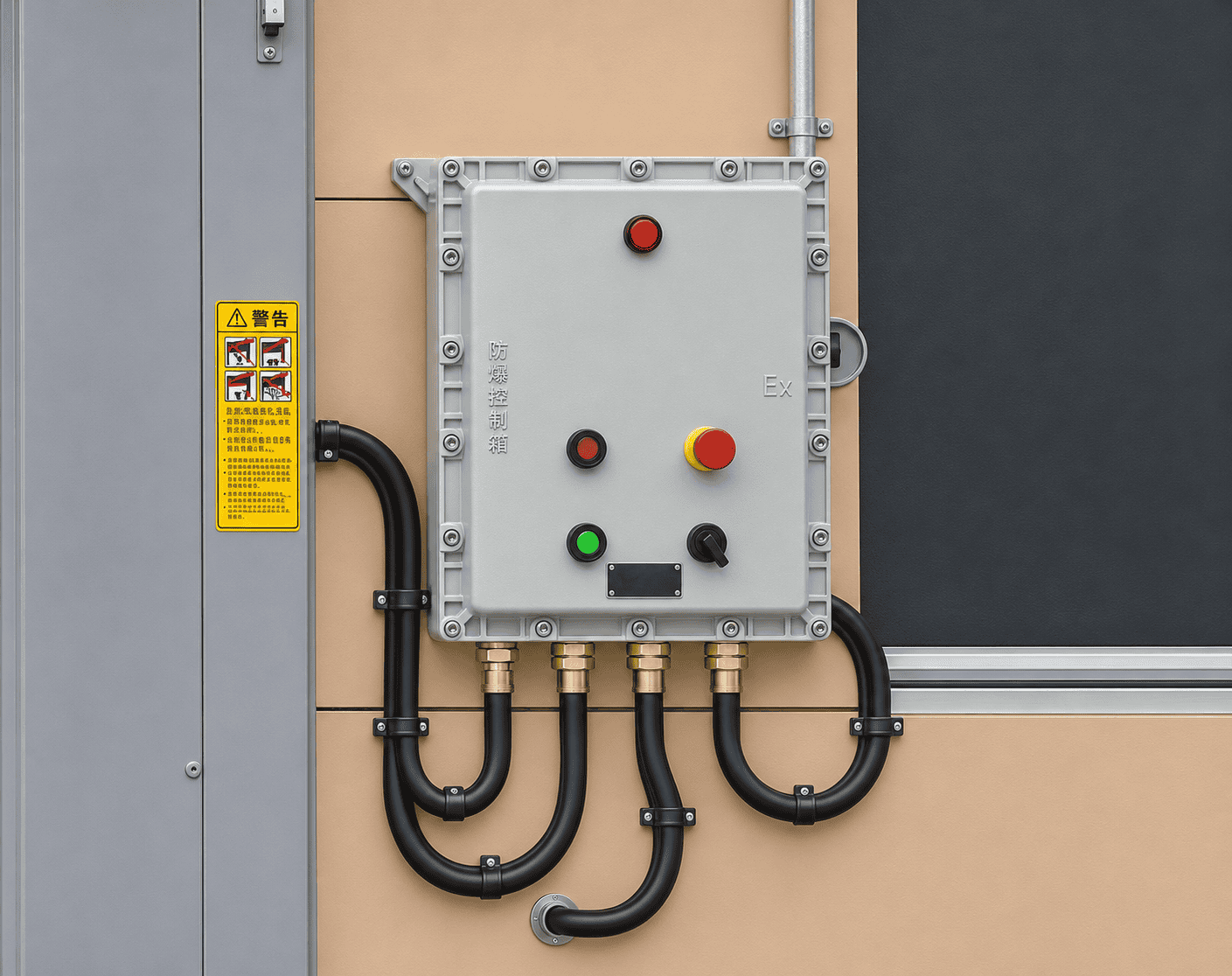
SEPPES provided four customized explosion-proof high speed spiral doors in two sizes: 2500 × 2550 mm и 2550 × 3480 mm, two units each. The doors feature explosion-proof motors and control systems, three rows of vision windows, 304 stainless steel frames and covers. Ethernet TCP/IP communication supports opening, closing, position feedback, fault and stop signals.
Результаты
The customized solution meets the customer’s requirements for rapid operation, reliable sealing and automated control. SEPPES’s product quality, technical expertise and professional service earned the customer’s recognition and secured the project.
Доверие ведущих компаний из списка Fortune Global 500
SEPPES Industrial Doors for Chemical Plants
In the chemical manufacturing industry, a doorway may serve an indoor transfer lane, a controlled room or a weather-exposed warehouse bay. Compare the six door options below by where they will operate and the conditions the opening must handle.

industrial facility doors
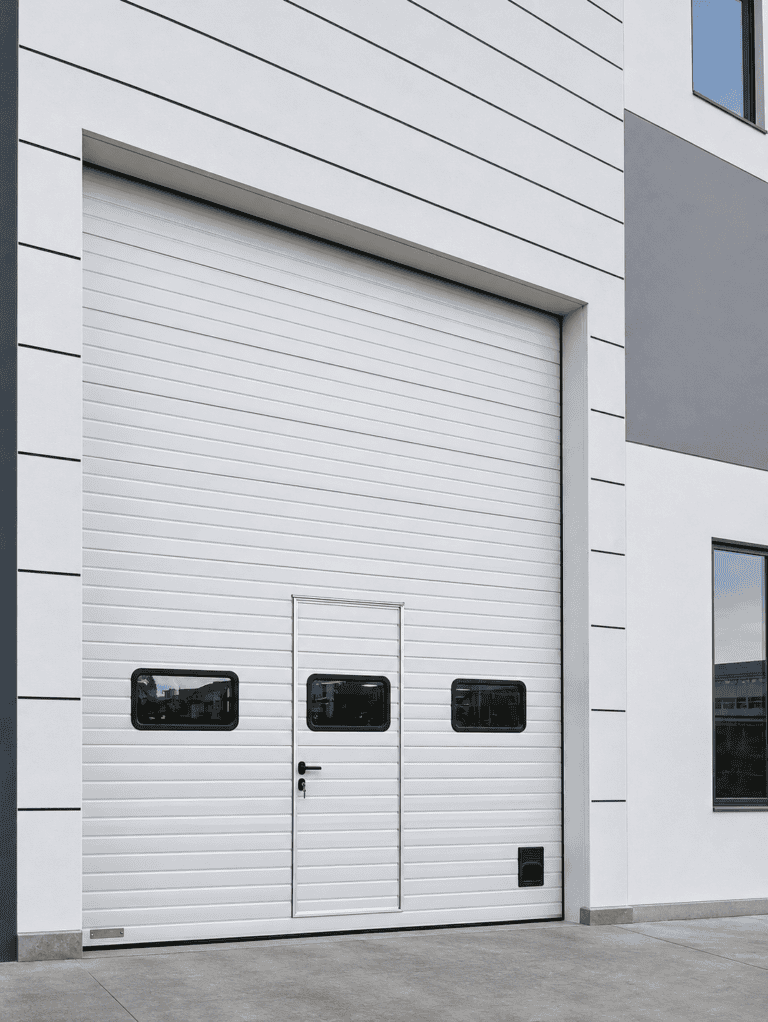
Секционные подъёмные воротные системы для пожарных станций и промышленные секционные ворота являются основным выбором для ворот пожарных отсеков и ворот отсеков для аварийных транспортных средств.
* Большой клиренс для транспортных средств
* Опция утеплённых панелей
* Надёжная ежедневная эксплуатация
industrial fabric doors
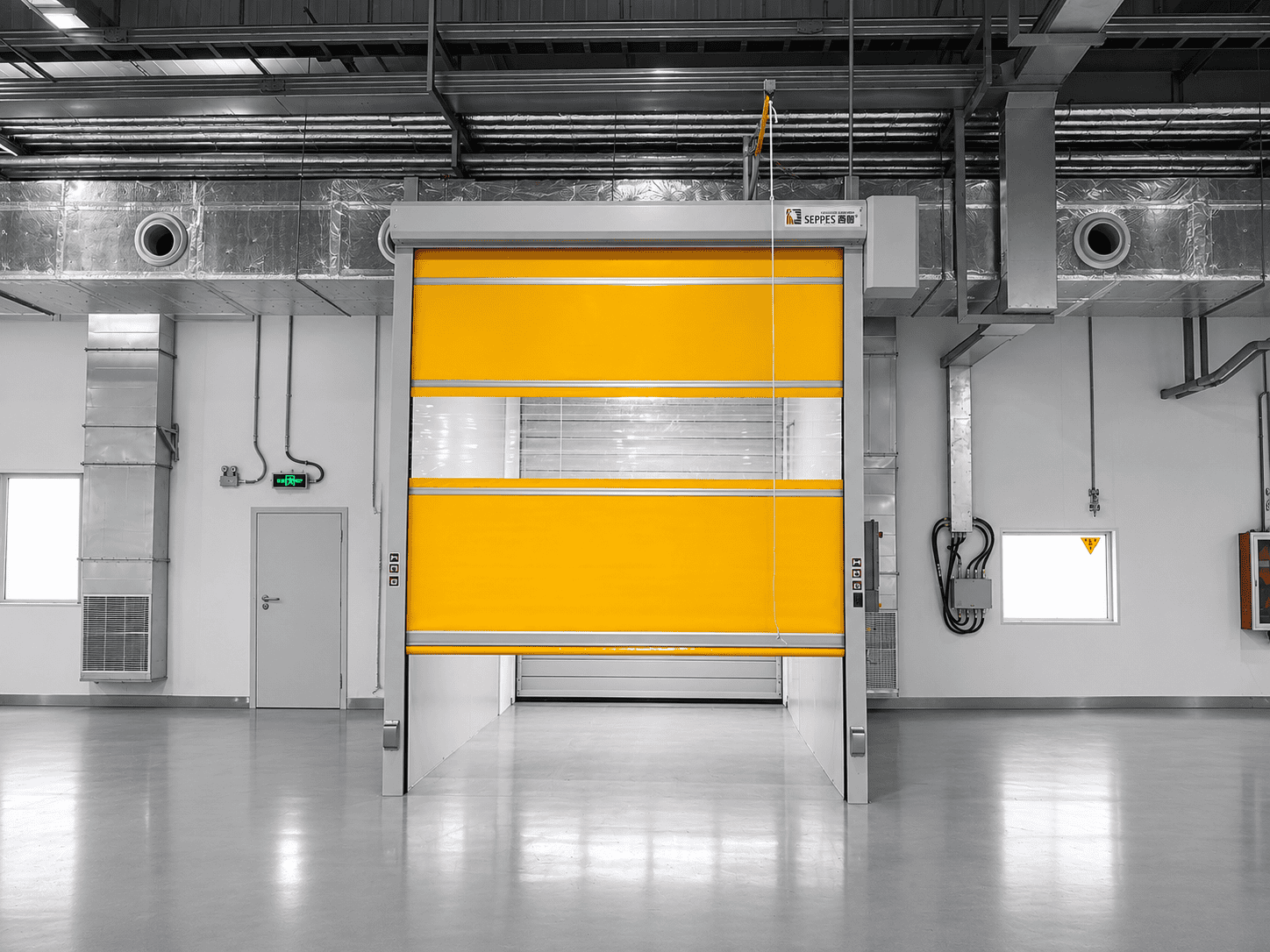
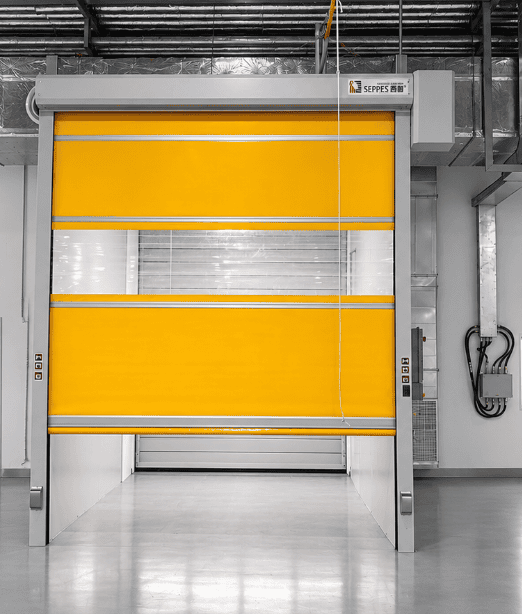
Industrial fabric doors typically use a flexible PVC curtain and are installed in high-traffic passages between production, packaging, and storage areas.
* Faster material flow.
* Less air exchange
* Quicker recovery after impact.
airtight doors
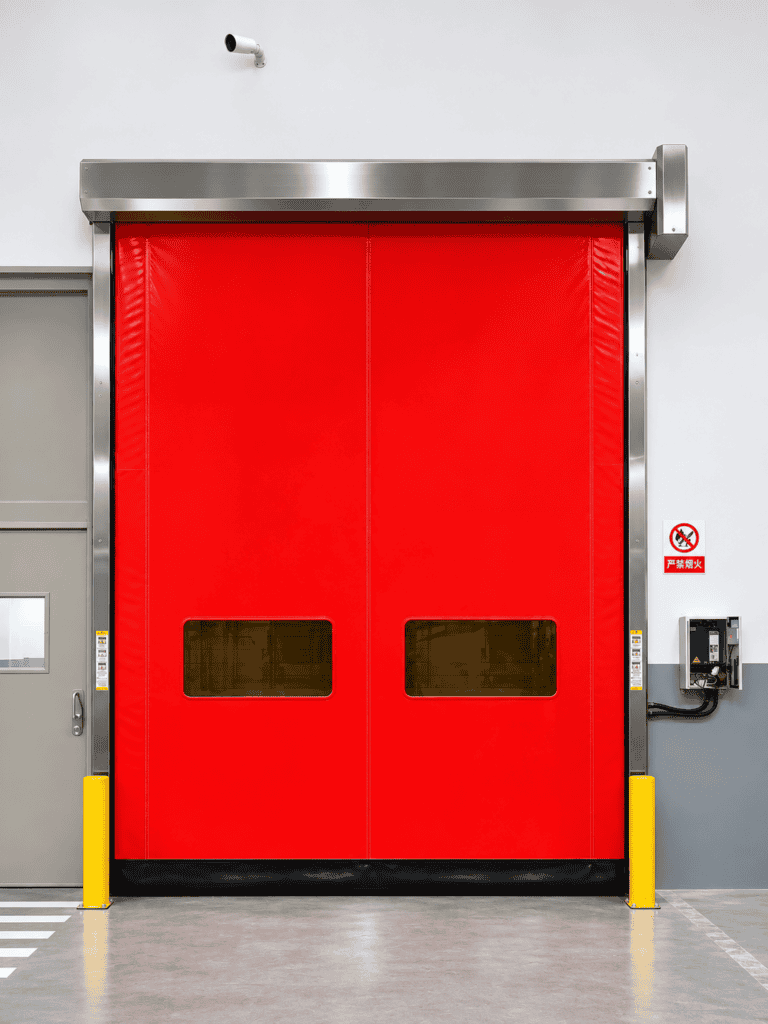
Airtight doors are used in chemical cleanrooms, laboratory airlocks, and other controlled areas where air leakage through the doorway needs to be limited.
* Stable room pressure
* Reduced cross-contamination
* Verifiable performance
explosion proof doors
Explosion-proof doors are used at openings in classified hazardous areas, such as solvent mixing rooms, flammable-material stores...
* Lower ignition risk
* Efficient access
* Configuration matched to the hazard
chemical industry Doors Safety and Control Features
Ворота для пожарных депо SEPPES могут быть оснащены фотоэлектрическими датчиками, предохранительной нижней кромкой, аварийной остановкой, ручной разблокировкой, дистанционным управлением, настенными кнопками, предупреждающими огнями, приводами для высокоинтенсивной эксплуатации и сигналами контроля доступа для рабочих процессов экстренного реагирования.
Good Sealing
Specify Doors for Your Chemical Plant
Send your opening schedule, site drawings, traffic requirements and environmental conditions. If the project specifies hazardous-area protection or a leakage limit, include that requirement so SEPPES can review the configuration with your team.
Chemical Plant Industrial Doors FAQ
1. Can the same type of industrial door be used throughout a chemical plant?
Door requirements should be assessed for each opening. Raw material storage, production areas, filling rooms, finished goods warehouses, and loading docks may require different configurations. Selection should consider hazardous area classification, chemical exposure, traffic frequency, environmental separation, and building requirements.
2. Which areas require explosion-protected door equipment? Is an explosion-protected motor enough?
Use the project’s hazardous area classification to determine the requirements. Assess the motor, controls, switches, sensors, cable entries, and installation arrangements, together with potential electrostatic and mechanical ignition risks. A motor certificate alone does not establish the suitability of the complete installed door system.
3. What is the difference between explosion protection, blast resistance, explosion relief, and fire resistance?
Explosion-protected equipment controls potential ignition sources. Blast-resistant doors are designed to withstand specified explosion loads. Explosion relief systems release pressure according to an engineered design. Fire-rated door assemblies provide specified fire separation. These are separate functions and require different design criteria and supporting documentation.
4. Can a high-speed door serve as a fire barrier or emergency exit?
Fire separation and emergency exits must follow the approved building and fire safety design. A standard high-speed door should not be assumed to provide either function. Manual opening alone does not establish compliance with emergency exit requirements. Confirm the required door assembly, opening arrangement, and controls with the project designer.
5. Is 304 stainless steel suitable for every chemical environment?
Material selection depends on the chemicals present, their concentration, operating temperature, exposure conditions, and cleaning methods. Confirm compatibility for the frame, curtain or panels, seals, fasteners, and other exposed components. Neither 304 nor 316 stainless steel should be treated as universally resistant to all chemical environments.
6. Can industrial doors help maintain room pressure and reduce air exchange?
Doors should be selected as part of the room’s ventilation and environmental control design. Specify the required pressure differential, acceptable air leakage, and operating conditions. Where these factors are critical, request performance evidence under agreed test conditions. Door sealing must be coordinated with the ventilation measures required for the process.
7. When should a chemical plant use interlocked doors?
Consider an interlocked door system where the process requires sequential access between areas. The space between the doors should accommodate the entire vehicle and its load. Define the opening sequence, detection arrangements, and emergency behavior together with the project’s ventilation, process safety, and evacuation requirements.